Mushrooms: Small, Savory, and Surprisingly Powerful
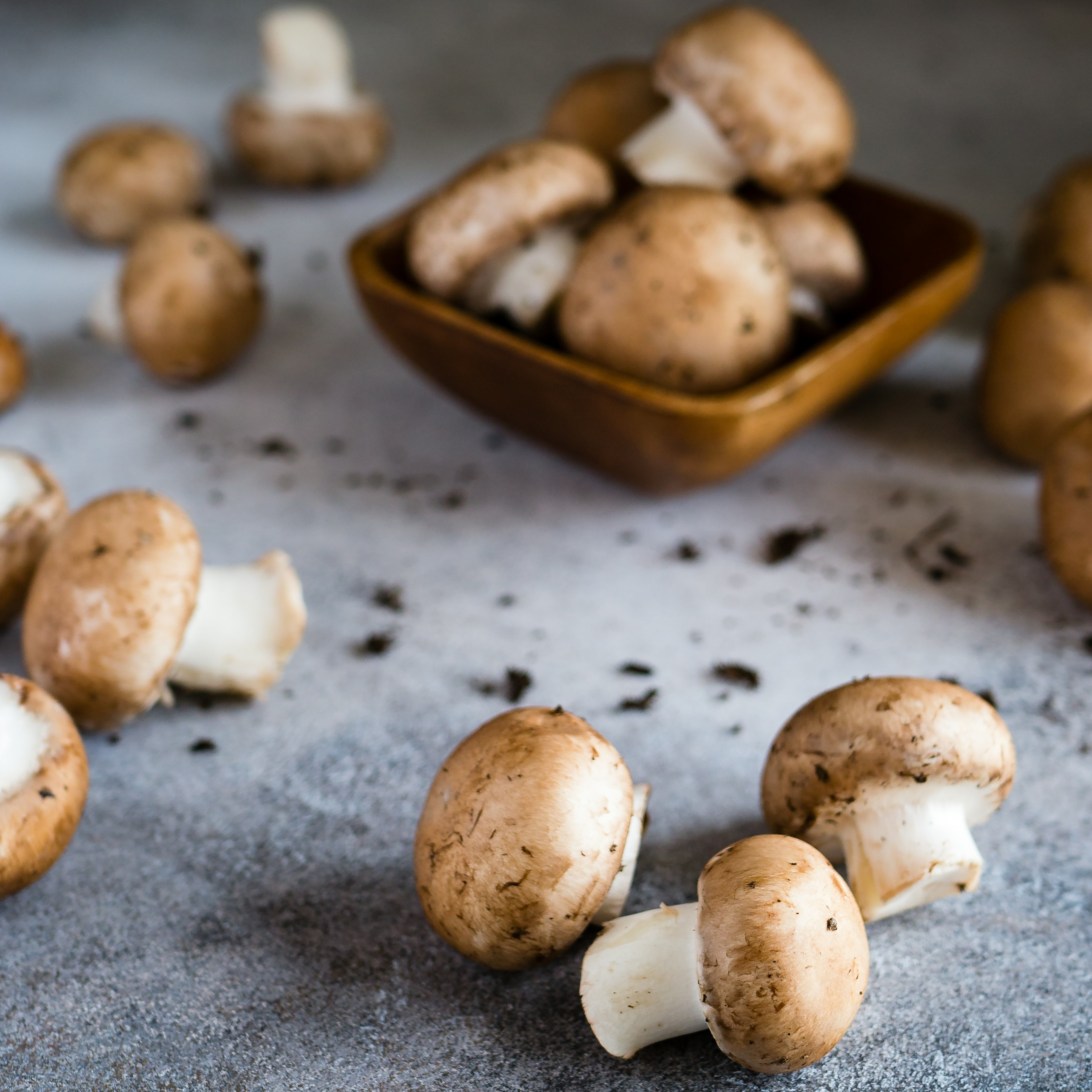
Mushrooms are often treated as a supporting ingredient—something added for flavor or texture rather than nutrition. But from a biological and nutritional perspective, mushrooms are genuinely distinct.
Even though we tend to lump mushrooms together with vegetables, they’re not plants. Mushrooms belong to the fungi kingdom, which means their structure, metabolism, and fiber content differ meaningfully from fruits and vegetables. There are more than 2,000 edible species worldwide, and many have been used traditionally in Eastern cultures for culinary and medicinal purposes for centuries. Current research is investigating these possible medicinal benefits, and you may have seen several mushroom supplements and extracts that are marketed for health and wellness support. So, what are the benefits of including mushrooms in your regular rotation, and what marketing claims are a lot of hype?
Nutrient density without the hype
Mushrooms are low in calories yet provide a range of nutrients that support overall health, including:
-
B vitamins, particularly B6, which supports energy metabolism and nervous system function
-
Potassium, important for blood pressure regulation
-
Selenium, an antioxidant mineral involved in immune and thyroid function
-
Dietary fiber, including fibers that differ structurally from those found in plants
They also contain ergothionine, a sulfur-containing antioxidant that humans cannot synthesize and must obtain from food. Observational research suggests higher ergothionine intake is associated with lower markers of oxidative stress and cellular damage, though direct cause-and-effect relationships in humans have not been established.
What’s different about mushroom fiber?
Those of you who know me, know that fiber is one of my favorite topics. When we say mushrooms contain “special fibers,” we’re referring primarily to beta-glucans and chitin, which are components of fungal cell walls—not plant cell walls.
-
Beta-glucans in mushrooms differ structurally from those in oats or barley, and appear to interact with immune cells in the gut.
-
Chitin, also found in shellfish exoskeletons, contributes to stool bulk and may influence gut transit and microbial composition.
These fibers function as prebiotics, meaning they serve as fuel for beneficial gut bacteria. A healthier gut microbiome is associated with improved digestion, immune regulation, and metabolic health.
Immune function: support, not stimulation
Some mushroom varieties, particularly shiitake, have been shown in small human studies to support aspects of immune function. Regular intake has been associated with increased activity of certain immune cells (such as T cells and natural killer cells), and reduced markers of low-grade systemic inflammation.
Importantly, mushrooms appear to modulate immune activity rather than simply “boost” it—a distinction that matters, especially for people with autoimmune or inflammatory conditions. Contrary to many wellness industry claims of supplements and cleanses that benefit by "boosting" the immunity, we don't want an overly active immune system. It functions much like Goldilocks: there are negative effects from too little or too much, and we rather want it to function in a balanced, "just right" way. Consuming mushrooms may support a balanced immune system, but the effects observed are generally modest and depend on consistent dietary intake.
Mushrooms and cancer: adjunctive, not curative
It’s important to be clear: mushrooms are not a cancer treatment. However, some research suggests certain mushroom compounds may play a supportive role alongside conventional therapy.
-
Reishi mushrooms have been studied as adjuncts to chemotherapy or radiation, with some evidence of improved immune markers and, in limited cases, reduced tumor progression.
-
White button mushrooms have demonstrated aromatase-inhibiting activity in laboratory studies, and small human studies suggest they may reduce estrogen production in certain breast cancer contexts.
-
In prostate cancer, observational studies suggest mushroom consumption may be associated with slower disease progression, though no clear improvements in overall survival have been demonstrated.
Overall, this is an area of active research, and findings should be interpreted cautiously.
Brain health benefits
Several observational studies show that people who regularly consume mushrooms tend to perform better on cognitive tests and may have a lower risk of mild cognitive impairment as they age.
However, randomized controlled trials have not consistently shown improvements in cognitive function when mushrooms are introduced later in life. This suggests mushrooms may be more relevant for long-term brain health maintenance rather than cognitive restoration.
As with most nutrition research, patterns over time matter more than short-term interventions.
Heart health and metabolic benefits
The beta-glucans in mushrooms may help reduce cholesterol absorption in the gut, contributing to improved lipid profiles when consumed regularly. Additionally, using mushrooms to replace some or all of the red meat in meals can lower saturated fat intake and reduce overall sodium intake, while maintaining meal satisfaction due to mushrooms’ umami flavor and texture.
This food-swap effect is often one of the most practical and reliable health benefits.
Vitamin D
Mushrooms are one of the only non-animal foods capable of providing vitamin D, but only when exposed to ultraviolet light. Since most mushrooms available are grown in the dark, this can be accomplished by slicing mushrooms and placing them in direct sunlight for about 15 minutes before cooking. This can significantly increase vitamin D content, though amounts will still vary and may not replace supplementation for individuals with deficiency.
What about mushroom supplements and extracts?
The wellness market is saturated with mushroom supplements and “adaptogenic” blends that are marketed with bold claims about their health benefits, however the evidence supporting their use is limited and highly variable. Some extracts (especially reishi, lion’s mane, and cordyceps) show biological activity in lab and animal studies, but human trials are often small, short-term, or lack standardization of dose and preparation. It is important to recognize that supplement quality varies widely, and products may not contain the amounts—or even the species—listed on the label. At this time, there is far stronger evidence for benefits from whole mushrooms consumed as part of a regular diet than from supplements.
The Takeaway
Mushrooms aren’t a miracle food—but they are a nutrient-dense, biologically unique, and versatile addition to a balanced diet. When eaten regularly, they can support gut and immune health, contribute to heart health, add antioxidant compounds uncommon in other foods, and help improve overall dietary quality through simple food swaps.
I hope this inspires you to experiment and eat more mushrooms! For help incorporating mushrooms into your diet, check out the following recipes:
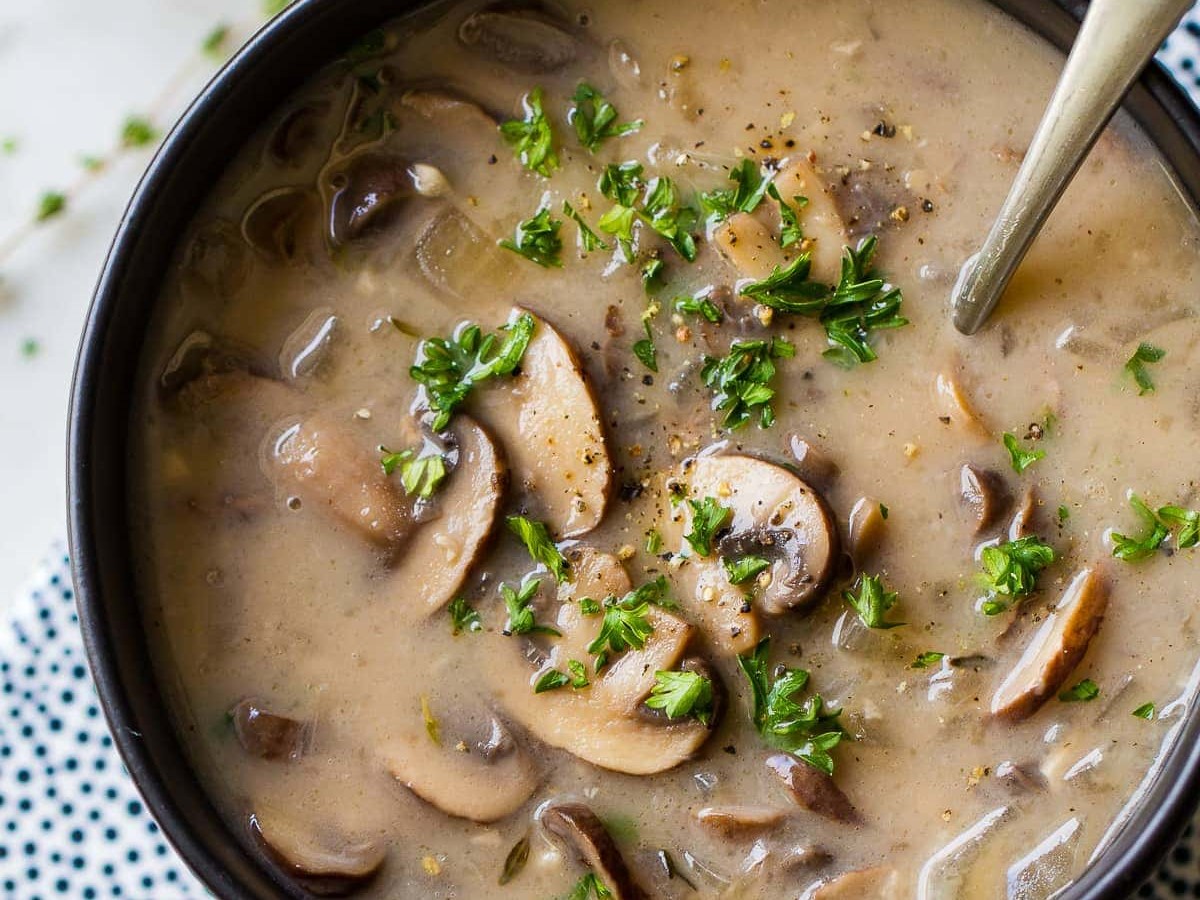
Vegan Mushroom Soup
From The Simple Veganista https://simple-veganista.com/vegan-mushroom-soup/
Vegan Mushroom Soup – From casual to elegant, this dairy-free creamy mushroom soup delivers rich, velvety comfort in every spoonful. Packed with earthy mushrooms and layered with deep savory flavor, it’s a total mushroom lover’s delight!
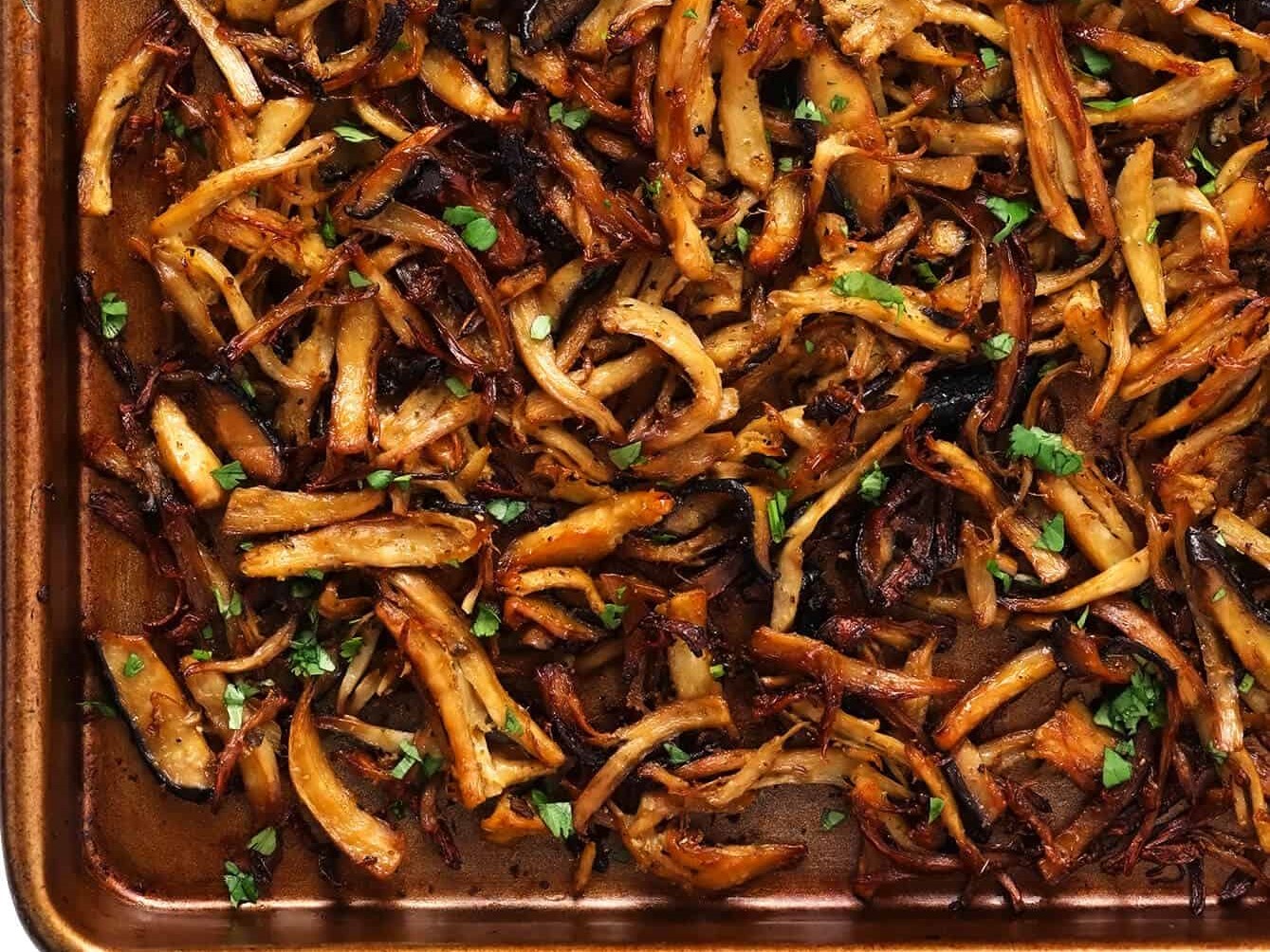
Mushroom "Carnitas"
From Gimme Some Oven https://www.gimmesomeoven.com/mushroom-carnitas/
This fun mushroom “carnitas” recipe is easy make with marinated shredded mushrooms that are roasted to crispy, juicy, delicious perfection! Vegetarian, vegan, gluten-free, and perfect for tacos, burritos, quesadillas and more.
References and additional reading:
- What Happens to Your Body When You Eat Mushrooms Regularly. Health.com, 10/28/2025
- Mushroom marvels: understanding their role in human health. Frontiers in Nutrition, 8/4/2025.
- A Critical Review on Health Promoting Benefits of Edible Mushrooms through Gut Microbiota. International Journal of Molecular Sciences, 9/8/2017.
- Mushroom intake and cognitive performance among US older adults: the National Health and Nutrition Examination Survey, 2011–2014. British Journal of Nutrition, 9/2/2022.
- Higher Mushroom Consumption Is Associated with Lower Risk of Cancer: A Systematic Review and Meta-Analysis of Observational Studies. Advances in Nutrition, 3/16/2021.