Stress Management
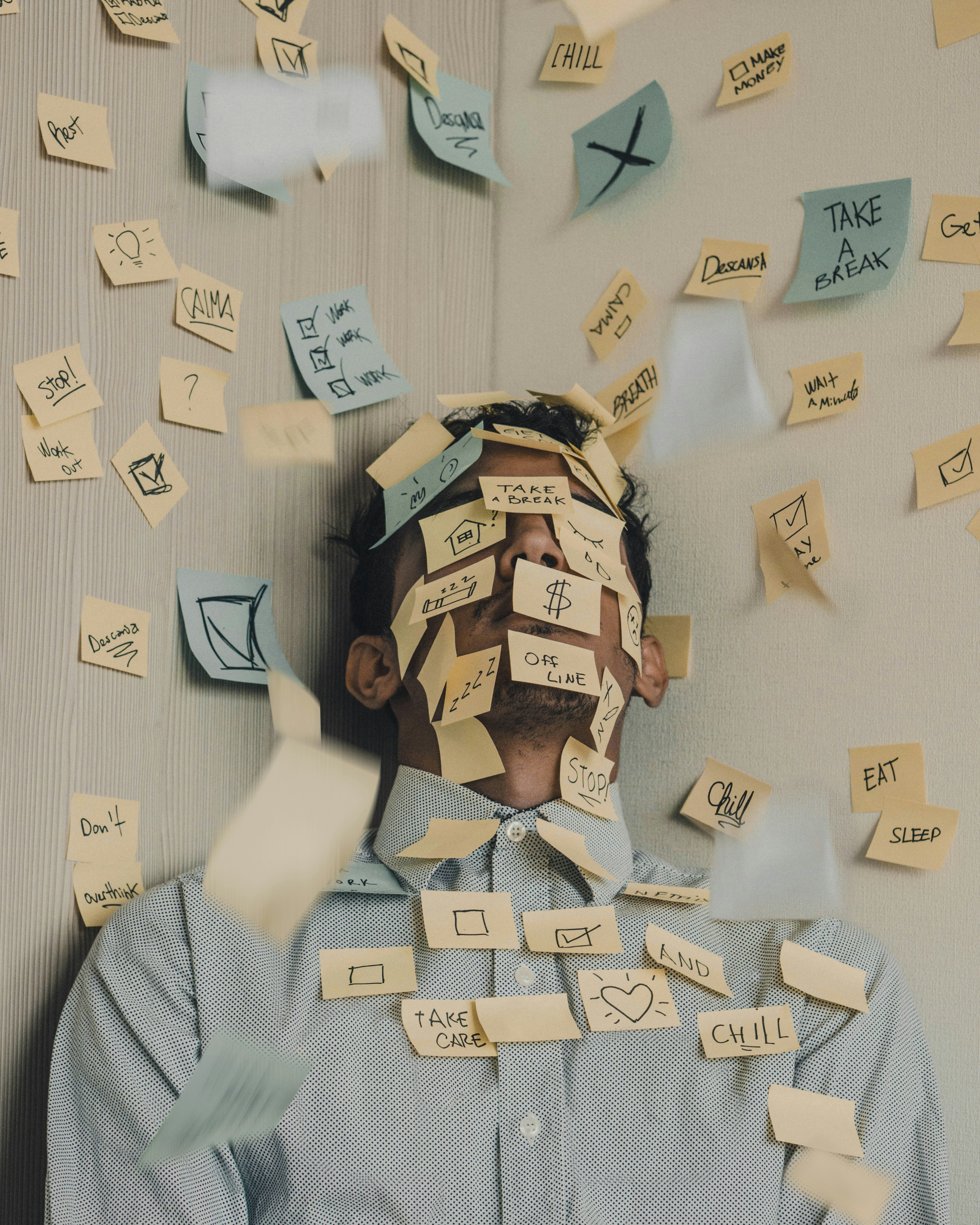
Let's be honest- stress is an unavoidable part of life. Our bodies were actually designed to handle (and even thrive on) occasional stress. Unfortunately in today's world we are often exposed to repeated or chronic stress, and many of us don't have the strategies we need to stop unnecessary stress in its tracks and manage the unavoidable stress.
The difference between stress and stressors
When most people say stress, they are usually referring to a stressor: a situation such as a looming deadline at work, a traffic jam, or an illness in a loved one. The stressor then triggers the stress response within our bodies, that includes activation of our sympathetic nervous system and release of certain hormones. This distinction is important because we don't always have control over what life throws our way, but we can control the way we react to it.
The upside of stress...
Not all stress is negative! Our response to occasional stressors allows us the ability to quickly react to potentially threatening situations. It also helps to improve alertness and performance, increase neuronal generation, boosts memory and learning, and increases motivation.
In fact, studies have shown that in people who have no stress, they score lower on tests of cognitive function, and they give and receive emotional support less often (even though the experience fewer negative emotions).
...and the downside
Our bodies evolved to handle stress in intermittent episodes, with periods of normal functioning in between. However, life in today's society throws repeated stressors at us, and we wind up with chronic and excessive stress. Some of the stressors can be pretty serious, but others are minor and more like annoyances. All of these stressors though, big or little, add up to a chronic physiologic stress response. Physically, it can contribute to cardiovascular issues, immune suppression, chronic pain, and headaches. Mentally and emotionally, it can strain relationships, deplete energy, and lead to burnout.
Think of it like exercise, which puts stress on our muscles in bursts or episodes, and our body responds by getting stronger when we allow appropriate recovery times. But if we overtrain without rest, it leads to exhaustion and breakdown.
What Happens During the Stress Response
When we are exposed to a stressor, our body responds in 2 phases. The first is activation of the sympathetic nervous system, otherwise known as the fight, flight, or freeze response. Epinephrine (aka adrenaline) is released which increases heart rate and blood pressure, and releases glucose (sugar) and fat from our stores.
The second phase is release of cortisol, which allows continued release of glucose and fat, suppresses insulin, and suppresses our digestive and immune function. This is helpful in the immediate moment so that our nervous system and muscles are on high alert and with sufficient energy to respond as needed in an emergency. When it's happening day in and day out, that excess cortisol winds up wreaking havoc.
Strategies to Manage Stress
There are several strategies we can incorporate into our lives to reduce stress and welcome a little more Zen.
1. Eliminate unnecessary stressors: We aren't able to eliminate all stressors, and as mentioned above, it wouldn't be beneficial to do so! But most of us are exposed to many unnecessary stressors, and it is helpful to identify these and practice saying "no" and setting boundaries.
For example, we are bombarded with stimuli from our devices, from the negativity in the media to the repeated dings of notifications. Turning certain notifications off, or setting your phone to Do Not Disturb from time to time, can help to provide some distance from the overload. Installing an app like Focus Friend can incentivize time away from our phones (and it's cute too- a bean that knits!).
It's also helpful to identify situations we should say no to, like time spent with toxic people or agreeing to things when we simply don't have the time.
2. Manage expectations: For those stressors that we just can't eliminate, bringing mindfulness and positive reappraisal into the situation can really reduce the negative emotions we might experience. This can be done by remembering that some stress is helpful, reminding ourselves that we are strong and able to handle what life throws at us, and thinking about ourselves in the context of a world full of people dealing with stress.
3. Complete the stress response: Do you ever feel like you're still on "high alert" even after a stressful situation is over? After stress is generated within our bodies, it's important to complete the response so we can get back to functioning normally, by doing things like exercising, laughing or crying, expressing our creativity, or hugging a loved one (or a pet).
Any physical activity can help complete the stress response, even things like shaking our arms and legs vigorously, jumping up and down for a few minutes, or giving ourselves a hug. I particularly appreciate meditating on stressful situations and performing some breathing exercises. Check out the American Lung Association's article on Simple Breathing Exercises to Help You Manage Stress and Kaiser Permanente's article on Stress Management: Doing Breathing Exercises for more information.
I hope all of this info was helpful, and that you'll be able to employ some of these strategies the next time you're feeling overwhelmed with stress! Questions? Click here to send me a message!
References and additional reading:
- Embracing stress is more important than reducing stress, Stanford psychologist says. Stanford Report, May 2015
- The Dark Side of Having No Stress. Psychology Today, March 2021
- Effectiveness of stress management interventions to change cortisol levels: a systematic review and meta-analysis. Psychoneuroendocrinology, January 2024
- The effects of daily stress on positive and negative mental health: Mediation through self-efficacy. Int J Clin Health Psychol, October 2015
Thank you for subscribing!
Have a great day!