4 Simple Ways to Walk Your Way Toward Healthier Aging
September is Healthy Aging Month, and it’s a great time to reflect on what it means to age well and, perhaps more importantly, what we can do today to support our future health and independence.
When many people think about aging, they picture an inevitable decline in strength, mobility, balance, and energy. But while some changes are a natural part of getting older, research shows that many of the abilities we value most are influenced by how we use our bodies throughout our lives. This is one of the reasons I am so passionate about lifestyle medicine: our bodies are constantly adapting to the signals we send them. Every day, our bodies are quietly asking a simple question: “Is this function still needed?” If the answer is yes, the body invests energy in maintaining it. If the answer is no, it gradually lets that function fade.
A recent study examining age-related changes in walking mechanics provides an example of this principle in action. (Ageing alters ankle mechanics and muscle co-contraction patterns across the gait cycle, Gait & Posture July 2026) Researchers found that as people age, the body often changes how the ankle functions during walking. The ankle becomes less effective at generating the force needed to propel the body forward, and muscles around the joint tend to contract simultaneously in a way that increases stability. While this strategy may help us feel steadier, it also comes with tradeoffs. Walking becomes slower and less efficient, and these changes may contribute to a greater risk of falls.
At first glance, this might seem like one more thing to add to the list of unavoidable consequences of aging. I see it differently.
To me, this study is a reminder of how adaptable the human body really is, and it highlights something important: many of the changes we associate with aging are not simply the result of getting older. They are often the result of doing less.
The Body Preserves What You Use
One of the most important lessons I teach people is that the body operates on a "use it or lose it" framework. Our bodies are remarkably energy efficient. Maintaining muscle, balance, mobility, and cardiovascular fitness requires resources. If a particular function isn't being used regularly, the body gradually reduces its investment in maintaining it.
This is not a flaw, it’s an adaptation, and the encouraging part is that the opposite is also true. When we consistently challenge a body system, we send a message that this function is still important. The body responds by working to preserve and strengthen that ability.
There are certainly biological changes that occur with aging. Tendons become less stiff, muscles lose some elasticity, and strength and balance naturally decline over time. However, much of the decline we commonly associate with aging, particularly during midlife and early older adulthood, is related to disuse rather than age itself.
The question shouldn’t be simply, "How old are you?" but rather, "What are you asking your body to do?"
Rethink Aging: Chronological Age vs. Functional Age
Most of us focus on chronological age, which is simply the number of years we have been alive. But it’s becoming apparent that it’s much more relevant to focus on functional age, which reflects how well your body performs the activities that allow you to live independently and enjoy life. Can you carry groceries? Climb stairs? Recover from a stumble? Walk confidently on uneven ground? Keep up with your grandchildren?
These abilities often matter far more than the number of candles on your birthday cake, and the good news is that functional age is something we can influence. Every time we challenge our muscles, balance, cardiovascular system, or mobility, we are reminding the body that these skills are still needed.
Walking Is Wonderful, But It Shouldn't Be the Whole Plan
Walking is one of the best forms of exercise available. It is accessible, inexpensive, and associated with a lower risk of chronic disease, disability, and premature death.
Research suggests that just 4,000 steps per day can help offset some of the effects of a sedentary lifestyle. But walking alone may not provide all the signals your body needs to maintain optimal function as you age.
Many people think that if they walk regularly, they have checked the exercise box. Walking is an excellent foundation, but just as no single food can provide every nutrient we need, no single type of exercise develops every physical skill we need for healthy aging. To preserve function, we need to challenge multiple body systems.
Four Ways to Get More Out of Your Walks
1. Challenge Your Heart and Lungs
The CDC recommends a minimum of 150 minutes per week of moderate physical activity (or 75 minutes of vigorous activity) to maintain cardiovascular fitness, and one simple way to do this is to increase the intensity of your walks. You can:
- Walk at a brisk pace
- Alternate faster and slower intervals
- Add hills or inclines
- Increase your pace for short portions of your route
A helpful guideline is the "talk test." During moderate-intensity activity, you should be able to carry on a conversation, but singing would be difficult. With vigorous activity even conversing would be a challenge.
2. Add a Strength Component
Strength is one of the strongest predictors of healthy aging and independence, and it allows us to climb stairs, carry items, and play with grandchildren as we get older. To make your walks more challenging, consider:
- Walking uphill
- Carrying groceries or other moderately heavy items
- Wearing a weighted backpack, often called rucking
- Using a weighted vest if appropriate for your fitness level
These activities help maintain muscle strength, bone health, and the connective tissues that support movement and preserve the strength needed for daily activities.
3. Train Your Balance
The recent study highlights how much the body values stability as we age. Fortunately, balance can be improved with practice. You might try:
- Walking on safe uneven surfaces such as grass or trails
- Standing on one leg before or after a walk
- Practicing heel-to-toe walking
- Carrying a weight in one hand while maintaining good posture
If balance is currently a challenge, start near a wall or sturdy support, use walking poles, or exercise with a partner.
4. Maintain Mobility and Flexibility
Healthy movement depends on joints and muscles being able to move comfortably through their full range of motion. Before your walk, spend a few minutes doing dynamic movements such as leg swings, arm circles, and torso rotations. After your walk, consider gentle stretching of the calves, hamstrings, hip flexors, and other major muscle groups.
Small Challenges Create Big Results
One of the reasons I am so passionate about lifestyle medicine is that meaningful health improvements often come from surprisingly small actions performed consistently. You do not need to transform every walk into an intense workout or create a complicated exercise plan. You simply need to give your body regular reminders about what you want it to preserve.
Aim to incorporate at least three different types of activity into your week. Walking, strength training, yoga, tai chi, cycling, swimming, dancing, gardening, and group fitness classes all challenge the body in different ways. Variety matters because different activities send different signals, and the body learns from those signals.
The Bottom Line
What struck me most about this walking study was not that aging changes the way we move. That part is expected. What stood out was how clearly it demonstrated the body's remarkable ability to adapt.
The body is always responding to the demands we place on it. When we stop asking it to maintain strength, balance, mobility, or endurance, those abilities gradually fade. When we continue to challenge those systems, even in small ways, the body works to preserve them.
Healthy aging is not about avoiding every change that comes with growing older. It is about continuing to send the message that the abilities we value are still important. Every walk, every balance exercise, every strength session, and every stretch is part of that conversation.
The goal is not simply to add years to life. The goal is to preserve the function, independence, and vitality that allow us to fully enjoy those years. Isn’t that what we all want?
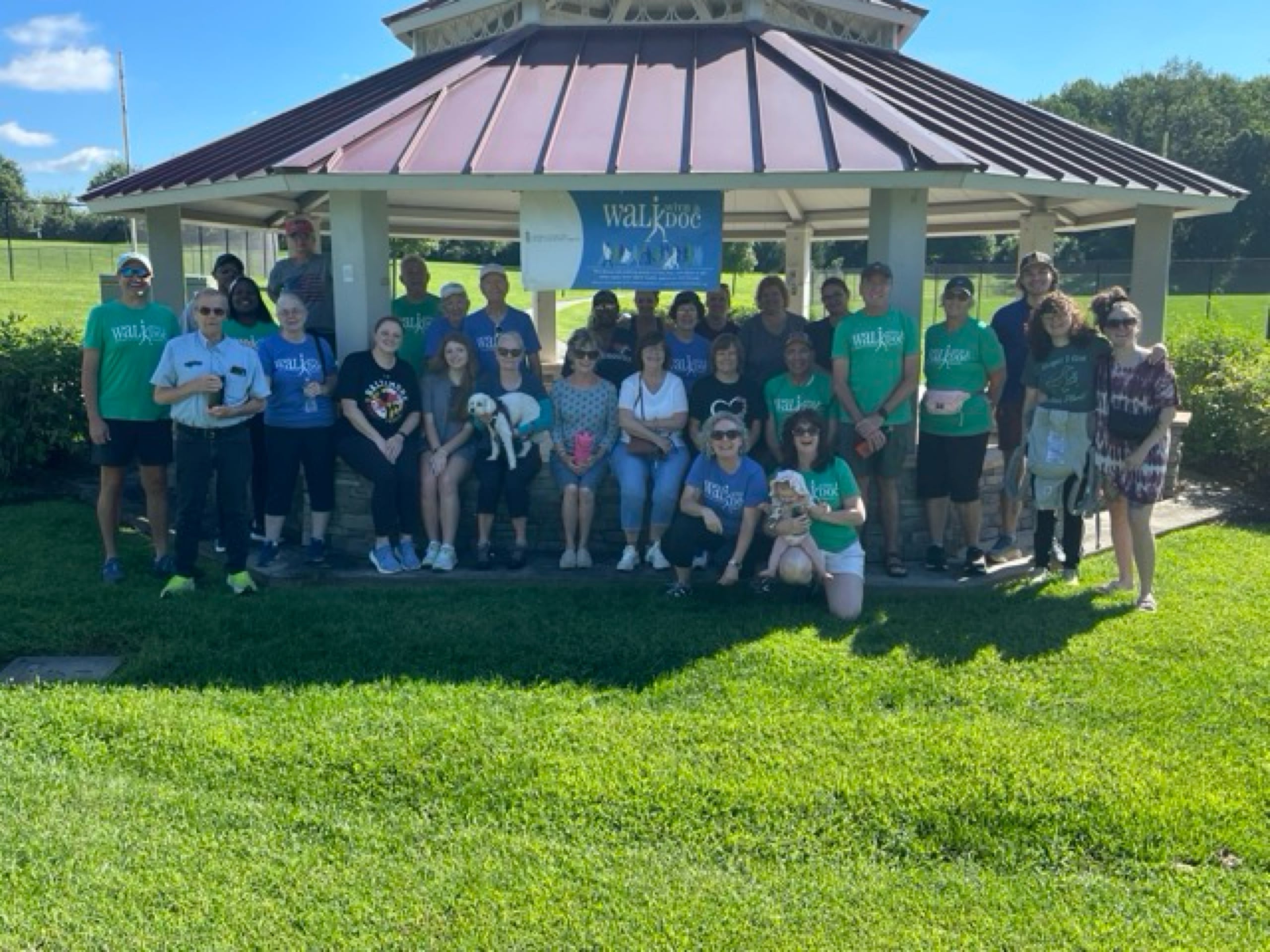
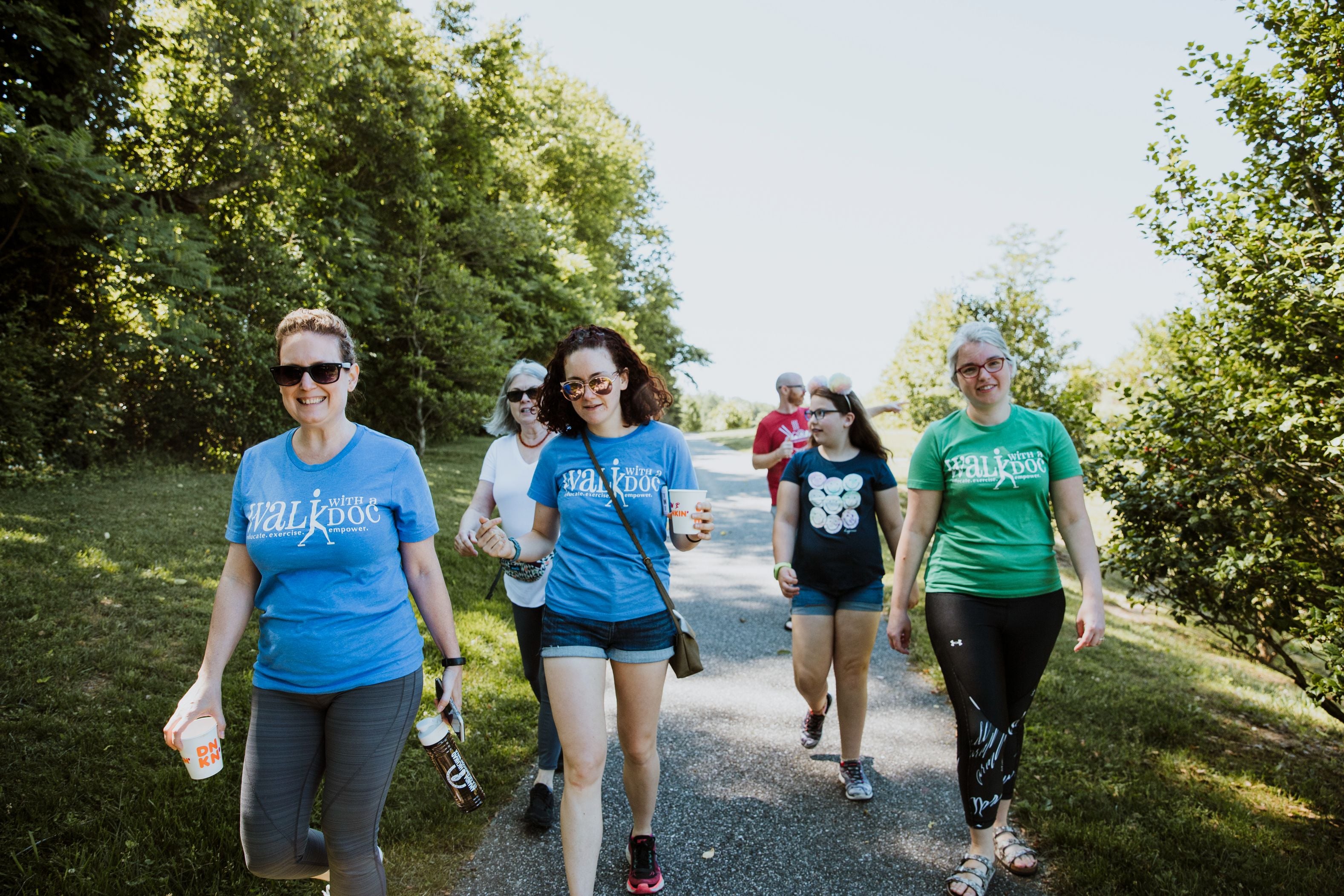
Looking for a simple way to put these healthy aging principles into practice? Consider joining a local Walk With a Doc program! With chapters across the US, Walk With a Doc combines movement, health education, social connection, and time in nature, four important ingredients for healthy aging. If you're local to Harford County, Maryland, you're invited to join one of our two chapters and walk with us. All ages and abilities welcome!
And if you're finding it challenging to turn healthy intentions into lasting habits, my health and wellness coaching services can help. Together, we can create realistic goals, overcome obstacles, and build sustainable routines that support your health, wellness, and independence for years to come. Contact me with questions or for more info!
Bel Air MD WWAD chapter at Schucks Park, 301 Schucks Rd meets at 10 am on the 1st Sunday and 2nd Saturday of every month
Joppatowne MD WWAD chapter at Magnolia Elementary School meets at 10 am on the 4th Saturday of every month (3rd Sat in Nov/Dec)