Live Longer (and Better) With the Blue Zones
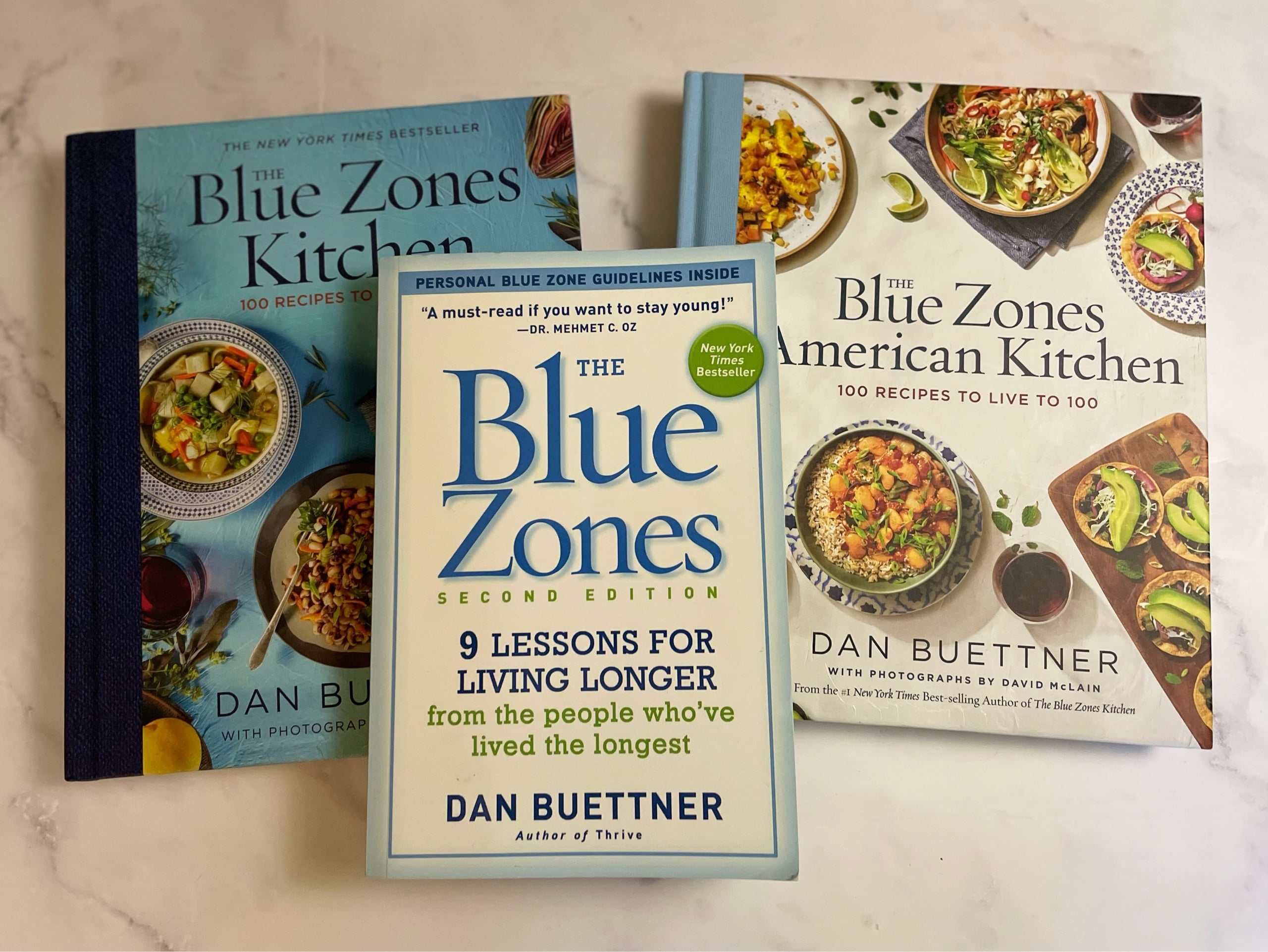
If you've spent any time reading about healthy aging, you've probably come across the Blue Zones. These are regions of the world where people are more likely to live long, healthy lives, often reaching their 90s and 100s while remaining active and engaged in their communities.
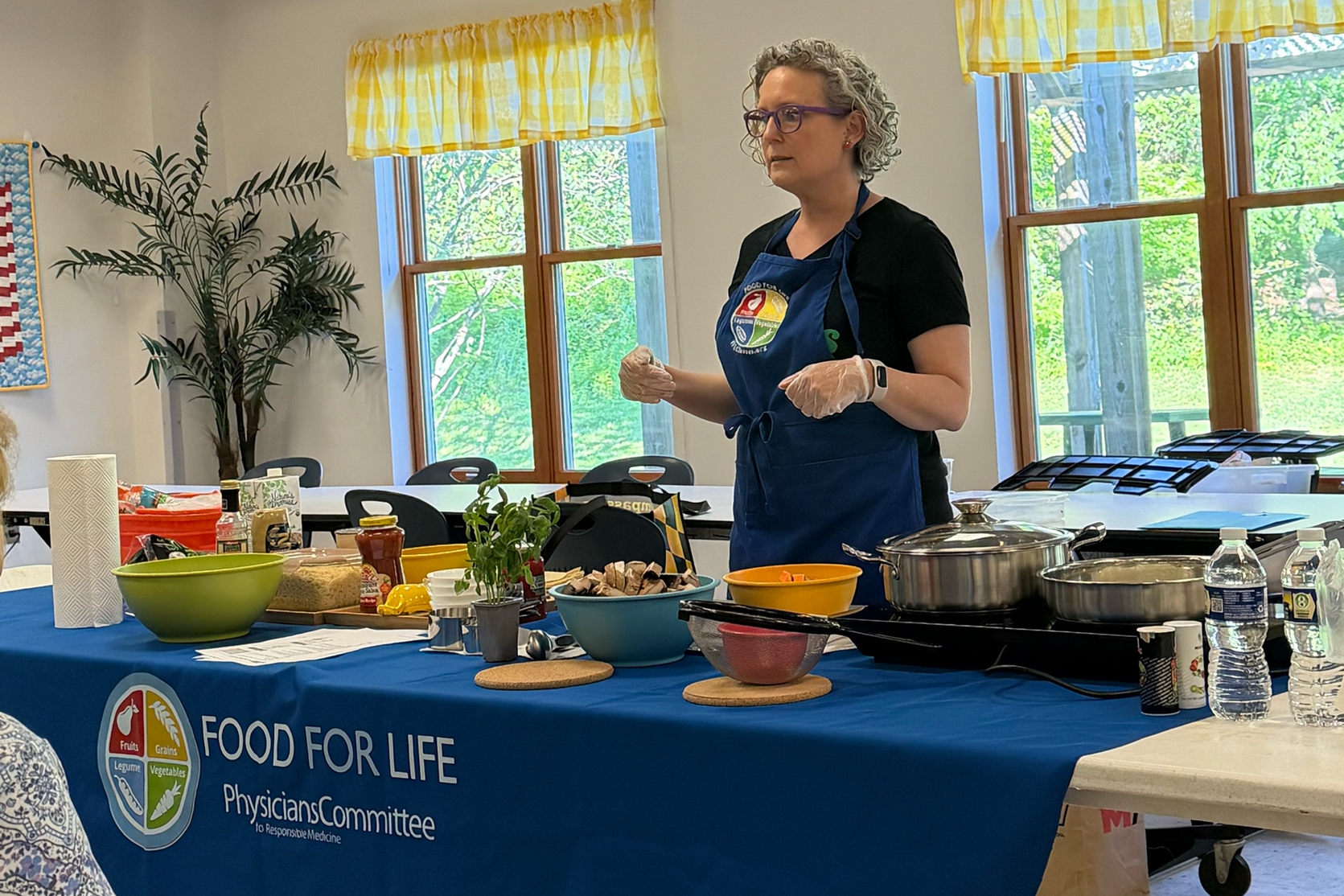
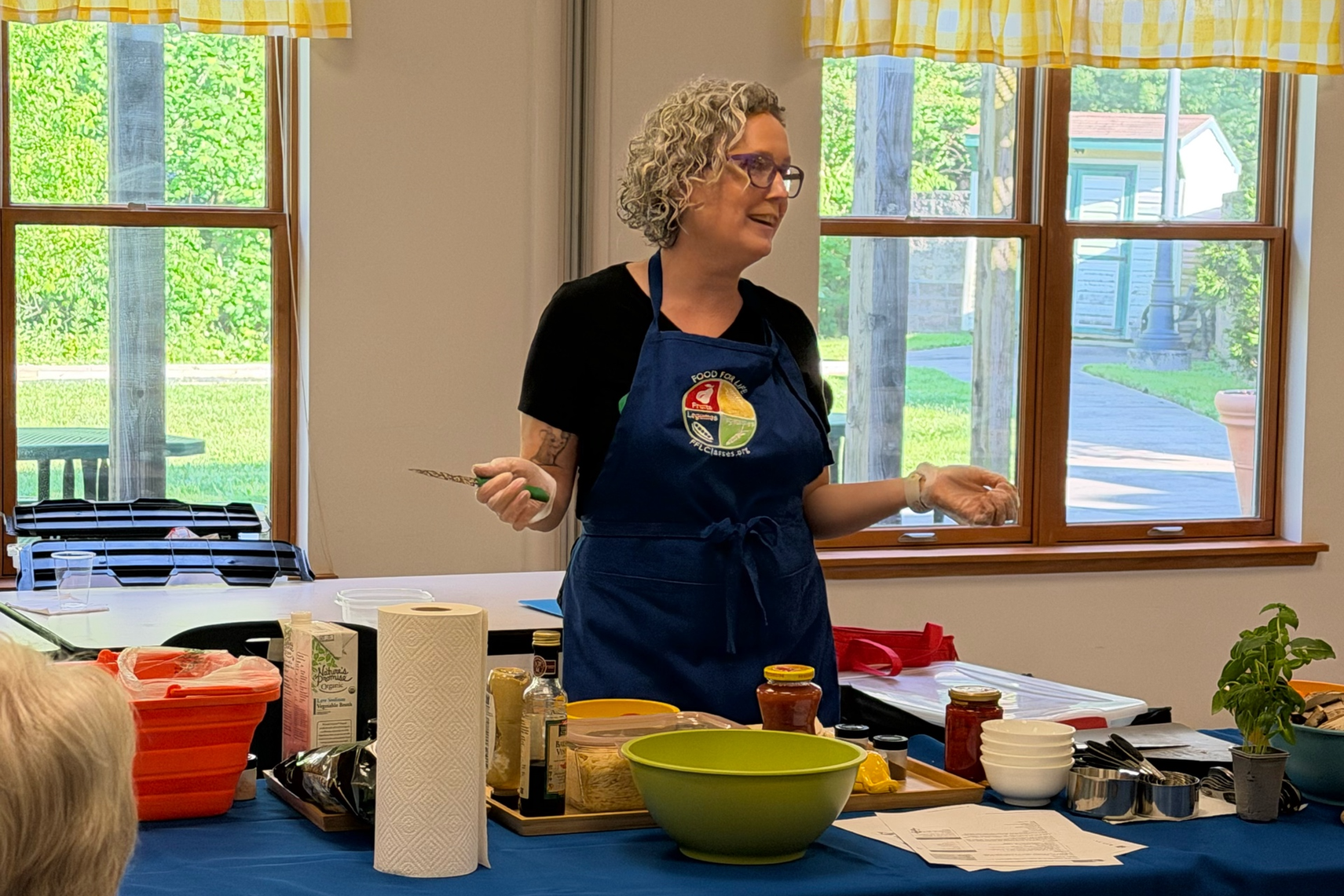
I had the amazing opportunity to offer a Blue Zones-themed cooking class in May with the Harford County MD Office on Aging, where we cooked and sampled portobello fajitas, orzo with tomatoes, peas, and basil, and a red curry chickpea and sweet potato soup. I've always loved how the concept of the Blue Zones ties in perfectly with the pillars of lifestyle medicine, and we can put these concepts into practice in our own lives to extend not only the quantity of our years, but also the quality (which is something all of us are interested in these days)!
Is longevity simply the result of good genes, a feature of a specific culture, or some secret ingredient or supplement? The answer is no: researchers have found many of the factors associated with exceptional longevity are everyday habits and environmental influences that are available to all of us, regardless of where we live.
While none of us can guarantee a long life, the lessons from the Blue Zones offer a practical roadmap for improving our health, vitality, and quality of life at any age.
What Are the Blue Zones?
The term "Blue Zones" refers to five regions that have been extensively studied because they contain unusually high numbers of long-lived individuals:
- Okinawa, Japan
- Sardinia, Italy
- Nicoya Peninsula, Costa Rica
- Ikaria, Greece
- Loma Linda, California
Why are they called the Blue Zones? Dan Buettner and his team from National Geographic coined the term when they first began investigating these high-longevity areas, based on the work of longevity experts who circled villages in Sardinia on a map in blue marker.
Although these 5 communities are geographically and culturally different, researchers discovered remarkable similarities in how people live, eat, move, and connect with others. These common patterns represent lifestyle characteristics frequently observed among people who enjoy exceptional longevity.
Let's explore what they are and, more importantly, how you can incorporate them into your own life.
Move Naturally Throughout the Day
One of the most striking observations in Blue Zone communities is that movement is woven into daily life, not just discreet episodes of exercise in a gym. People walk to visit friends, tend gardens, cook meals, climb stairs, and perform household tasks well into older age. Physical activity isn't viewed as a separate task to complete; it's simply part of how life is lived.
How to Apply This
Look for opportunities to add movement throughout your day:
- Take short walks after meals.
- Park farther from store entrances.
- Garden, do yard work, or work with houseplants.
- Stand up and move during television commercials.
- Walk while talking on the phone.
Structured exercise is wonderful, but daily movement between workouts matters too.
Have a Sense of Purpose
People in Blue Zone communities often maintain a strong sense of purpose throughout life. Whether it's caring for family, contributing to the community, tending a garden, volunteering, or pursuing meaningful work, they have reasons to get up in the morning. Often, elders in these communities are respected and sought out for their experience and wisdom.
Research consistently shows that having a sense of purpose is associated with better physical health, improved mental well-being, and greater longevity.
How to Apply This
Ask yourself:
- What gives my life meaning?
- Who depends on me?
- What activities make me lose track of time?
- How do I want to contribute to others?
Purpose doesn't have to be grand. Sometimes it can be as simple as mentoring a grandchild, caring for a pet, volunteering, or sharing a skill you've developed over a lifetime.
Manage Stress in Healthy Ways
Stress is a normal part of life, even in the Blue Zones! The difference is that many of these communities have built-in rituals that help people slow down and recover from stress before it becomes chronic.
Some pray. Some nap. Some gather with friends. Others spend time outdoors. The common thread is intentional recovery.
How to Apply This
Create small daily practices that help you reset:
- Spend time outdoors.
- Practice mindfulness or meditation.
- Pray or engage in spiritual reflection.
- Take a few minutes for deep breathing.
- Enjoy a relaxing hobby.
- Connect with supportive people.
You don't need an hour-long routine. Even five to ten minutes of intentional restoration can make a difference. (If you want to learn more about managing stress, check out my blog post on it here!)
Eat Until You're Comfortably Satisfied
In Okinawa, there's a traditional practice known as "hara hachi bu", which roughly translates to eating until you're about 80% full. This habit may help prevent overeating and encourage greater awareness during meals, and in a culture that often encourages eating quickly and finishing everything on our plates, this concept can feel surprisingly challenging!
How to Apply This
Try:
- Eating more slowly.
- Putting utensils down between bites.
- Taking a pause midway through a meal.
- Checking in with your hunger and fullness cues.
The goal isn't perfection. It's simply becoming more mindful of when your body has had enough.
Make Plants the Foundation of Your Plate
One of the most consistent findings across Blue Zone communities is that their diets are predominantly plant-based. Beans, lentils, vegetables, fruits, whole grains, nuts, and seeds appear regularly on the menu. Animal foods may still be eaten, but usually in smaller amounts than is common in the typical American diet.
These foods provide fiber, vitamins, minerals, antioxidants, and other beneficial nutrients that support long-term health.
How to Apply This
You don't need to become vegetarian overnight. Start with simple changes:
- Add beans to soups, salads, or grain bowls.
- Include vegetables at lunch and dinner.
- Choose fruit for snacks or dessert.
- Experiment with one or two plant-based meals each week.
- Build meals around plants rather than treating them as side dishes.
Small shifts practiced consistently can add up over time.
Enjoy Food and Connection Together
In many Blue Zone communities, meals are social events. People gather around tables, share stories, linger over conversations, and strengthen relationships while they eat.
And the benefits extend beyond nutrition alone! Strong social connections have been associated with better mental health, lower stress levels, and increased longevity.
How to Apply This
Look for opportunities to eat with others:
- Schedule family dinners.
- Invite friends for a simple meal.
- Join a community group or club.
- Participate in potlucks or social gatherings.
The food matters, but so do the people around the table.
Cultivate Strong Relationships
People in Blue Zones tend to be deeply connected to family, friends, neighbors, and community organizations. These relationships provide practical support, emotional encouragement, and a sense of belonging.
As we age, maintaining social connection can become more challenging, but it remains one of the most important contributors to overall well-being.
How to Apply This
Consider:
- Calling a friend instead of texting.
- Joining a walking group.
- Volunteering in your community.
- Participating in faith-based activities.
- Scheduling regular visits with family members.
Connection is not a luxury. It's a health behavior.
Create an Environment That Supports Healthy Choices
One of the most important lessons from the Blue Zones is that healthy habits are often the default option.
People are surrounded by environments that naturally encourage movement, social interaction, and nutritious food choices. Rather than relying solely on willpower, they benefit from systems that make healthy behaviors easier.
How to Apply This
Take a look at your environment:
- Keep healthy foods visible and convenient.
- Store less-nutritious foods out of sight.
- Place walking shoes near the door.
- Schedule activities with active friends.
- Keep cut vegetables or fruit ready for quick meals and snacks.
When healthy choices become easier, consistency becomes easier too.
The Big Lesson from the Blue Zones
When people hear about longevity, they often search for a miracle food, a supplement, or a complicated health hack, but long, healthy lives are not built on a single secret. They are built on everyday habits practiced over years and decades.
Moving regularly. Eating mostly plants. Managing stress. Connecting with others. Living with purpose. None of these habits are particularly flashy, but together, they create a powerful foundation for health and vitality.
The good news is that you don't have to overhaul your entire life to benefit from these principles.
Choose one small change that feels realistic for you this week. Take a short walk after dinner. Add beans to a meal. Call an old friend. Spend five quiet minutes in reflection.
Small actions, repeated consistently, often have the greatest impact over time.
And that's a lesson worth borrowing from the world's longest-lived communities!
Do you have questions, or want help finding ways to implement these habits in your own life? Click here to send me a message.
Thank you for subscribing!
Have a great day!